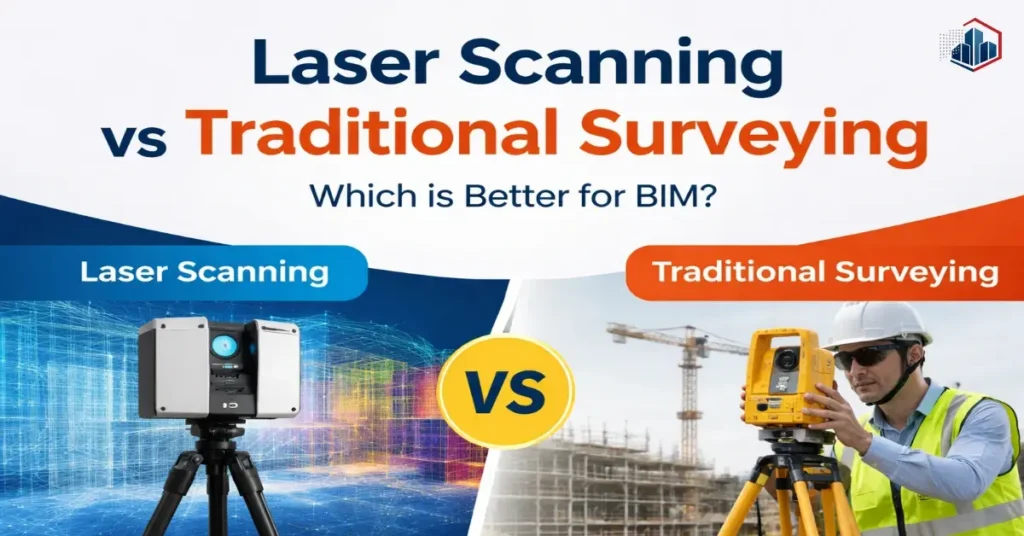
In today’s construction world, accuracy and speed matter a lot. If you want to create a reliable BIM model, you need the right data from the site. This is where two common methods come in — laser scanning and traditional surveying.
Both methods help collect site information, but they work in very different ways. Choosing the right one can directly affect your project quality, timeline, and cost.
But which one is better for BIM? In this blog, we will compare both methods in simple words so you can clearly understand which option fits your project best.
If you are looking for accurate results, explore our Scan to BIM Services to get high-quality models from point cloud data.
What is Traditional Surveying?
Traditional surveying is the old and common way to measure a site. Surveyors use tools like total stations, measuring tapes, and GPS equipment to collect data.
They visit the site and manually record points one by one. Then they use this data to create drawings or models. This process needs skilled workers and careful measurements.
Main Features:
- Manual data collection
- Takes more time
- Depends on human accuracy
- Limited number of data points
Because of manual work, small mistakes can happen, and fixing them later may take extra time and effort.
What is Laser Scanning?
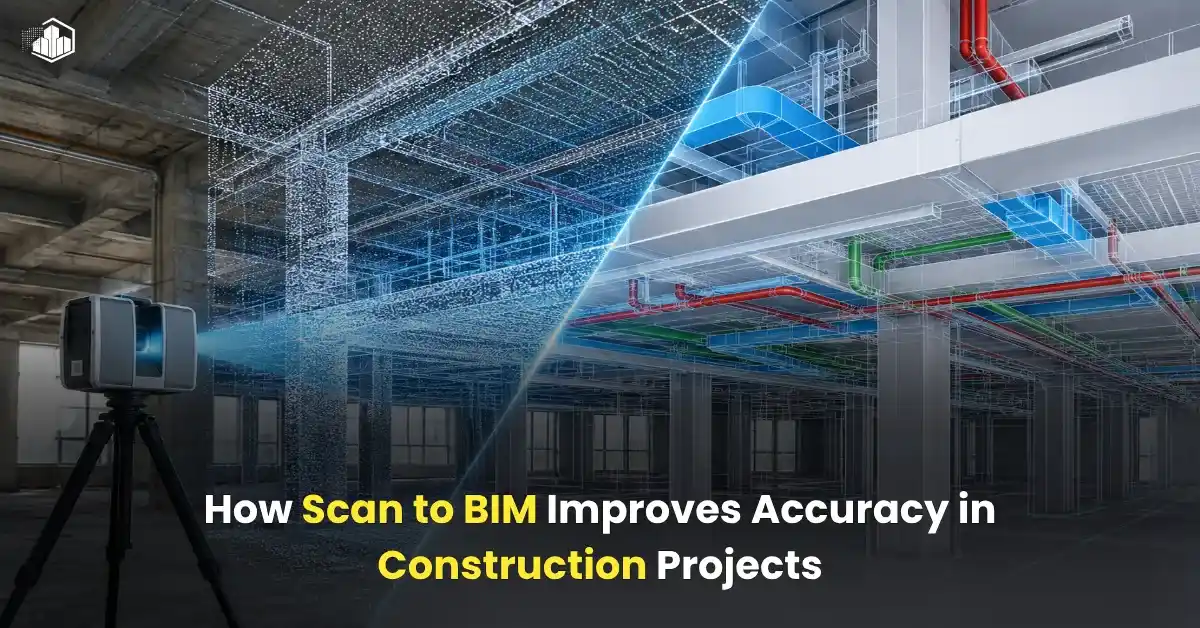
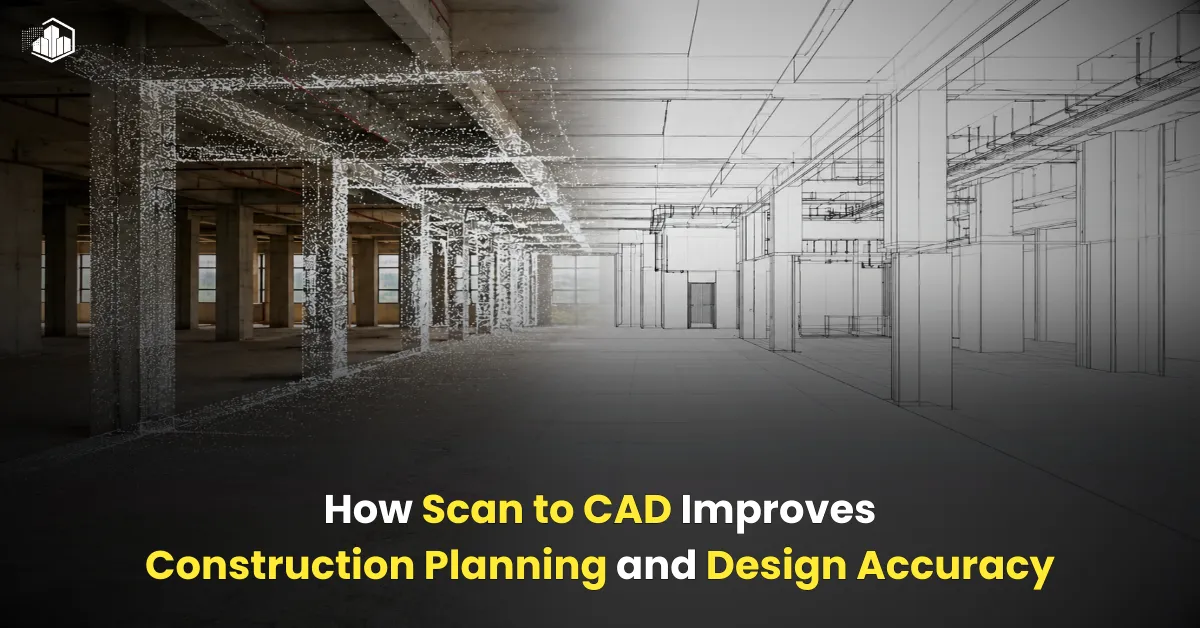
Laser scanning is a modern and fast method to capture site data. It uses a 3D laser scanner to collect millions of points in a short time. This data is called a point cloud.
You can then convert this point cloud to BIM model with high accuracy. It captures every small detail of the structure, including complex shapes and hidden areas.
Main Features:
- Fast data collection
- Captures millions of points
- High accuracy
- Creates detailed 3D data
This method reduces manual work and helps teams get reliable data quickly without missing important details.
Laser Scanning vs Traditional Surveying: Major Differences
1. Accuracy
Laser scanning provides very high accuracy because it captures millions of points from every angle. It records even small details that are often missed in manual surveys.
Traditional surveying may miss some details because it records limited points and depends more on human input.
2. Speed
Laser scanning can scan a large area in just a few hours. It quickly captures full site data in one go, which saves a lot of time during the project.
Traditional surveying takes more time because everything is done manually and requires repeated measurements.
3. Data Quality
Laser scanning gives you dense and detailed data. This helps in creating a precise BIM model with fewer errors and better results.
Traditional surveying gives basic data, which may not be enough for complex or detailed projects.
4. Cost
Traditional surveying may look cheaper at first. But it can lead to errors and rework, which increases cost later in the project lifecycle.
Laser scanning may have a higher upfront cost, but it saves money in the long run by reducing mistakes and saving time.
5. Site Complexity
For simple projects, traditional surveying can work fine and give acceptable results if the detail level is low.
For complex buildings, industrial plants, or renovation projects, laser scanning works much better and captures everything accurately.
Why Laser Scanning is Better for BIM?
BIM needs accurate and complete data to create a reliable model. Laser scanning supports this need perfectly by capturing real-world conditions in detail.
Here’s why:
- It captures real-world conditions in detail
- It reduces human errors
- It helps in better design and coordination
- It supports clash detection
- It saves time during modeling
Because of these benefits, most BIM professionals now prefer laser scanning for modern construction and renovation projects.
When Should You Use Traditional Surveying?
Traditional surveying still works well in some cases where high detail is not required and project scope is simple.
- Small projects
- Open land surveys
- Projects with low detail requirements
- Budget-limited projects
It is a good option when speed and high accuracy are not the main priority for the project.
When Should You Use Laser Scanning?
Laser scanning is the best choice when your project needs high precision and detailed modeling output.
- You need high accuracy
- You are working on renovation or as-built projects
- The site has complex structures
- You want to create a detailed BIM model
- You want to save time and avoid rework
It helps you deliver better results and improves overall project efficiency from start to finish.
Final Result: Which is Better for BIM?
If your goal is to create a high-quality BIM model, laser scanning is clearly the better option. It gives you accurate, detailed, and fast results.
Traditional surveying still has its place, but it cannot match the level of detail and efficiency that laser scanning offers in modern BIM workflows.
Conclusion
Choosing the right method depends on your project needs. But if you want better results, fewer errors, and faster delivery, laser scanning is the smart choice for BIM projects.
As the construction industry grows, more companies are moving towards laser scanning for better accuracy and efficiency in their workflows.
Frequently Asked Questions (FAQs)
Yes, laser scanning is more accurate because it captures millions of data points and records detailed site conditions.
It may cost more at the start, but it saves money by reducing errors, saving time, and avoiding rework.
Yes, but it may not provide enough detail for complex BIM models or renovation projects.
A point cloud is a collection of 3D data points captured by a laser scanner, used to create accurate models.
Laser scanning is much faster than traditional surveying and helps complete projects quickly.