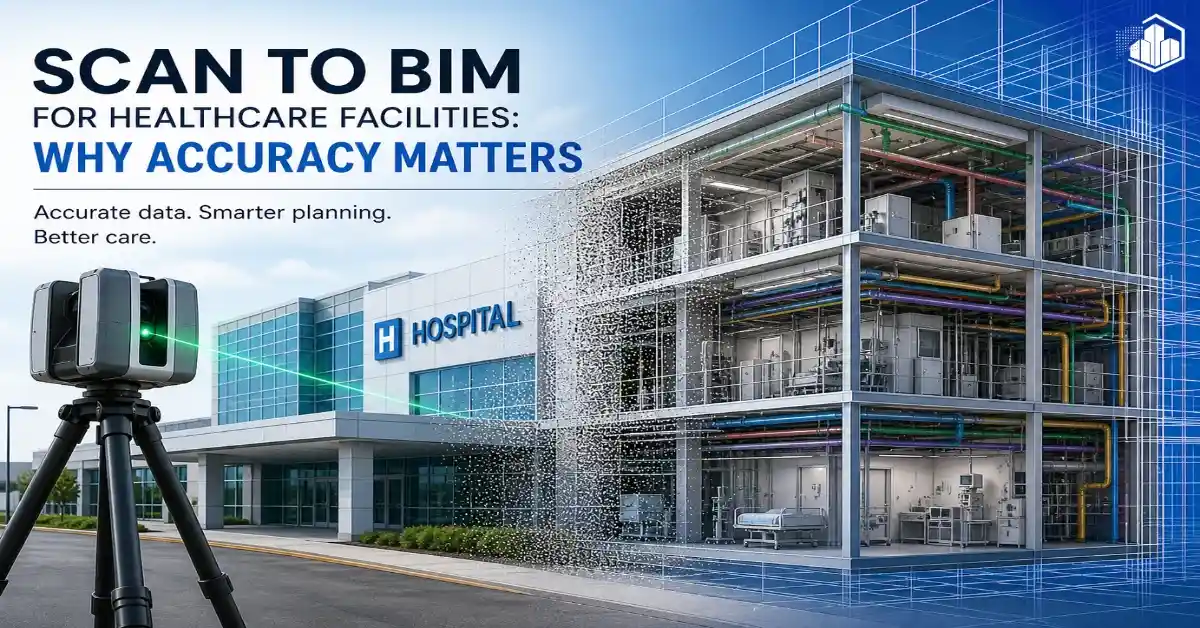
Healthcare buildings like hospitals, clinics, laboratories, and medical centers need perfect planning and accurate building information. Even a small mistake in design or construction can create serious problems later. These facilities work 24/7, and errors can affect patients, doctors, and staff directly. This is why Scan to BIM for healthcare facilities has become very important.
Scan to BIM services helps building owners, architects, engineers, and contractors create accurate digital models from existing buildings using laser scanning and BIM technology. It improves project planning, renovation work, maintenance, and future expansion. It also helps teams make faster and smarter decisions before actual construction starts on site.
In this blog, we will explain why accuracy matters so much in healthcare projects and how Scan to BIM makes the process better.
What is Scan to BIM?
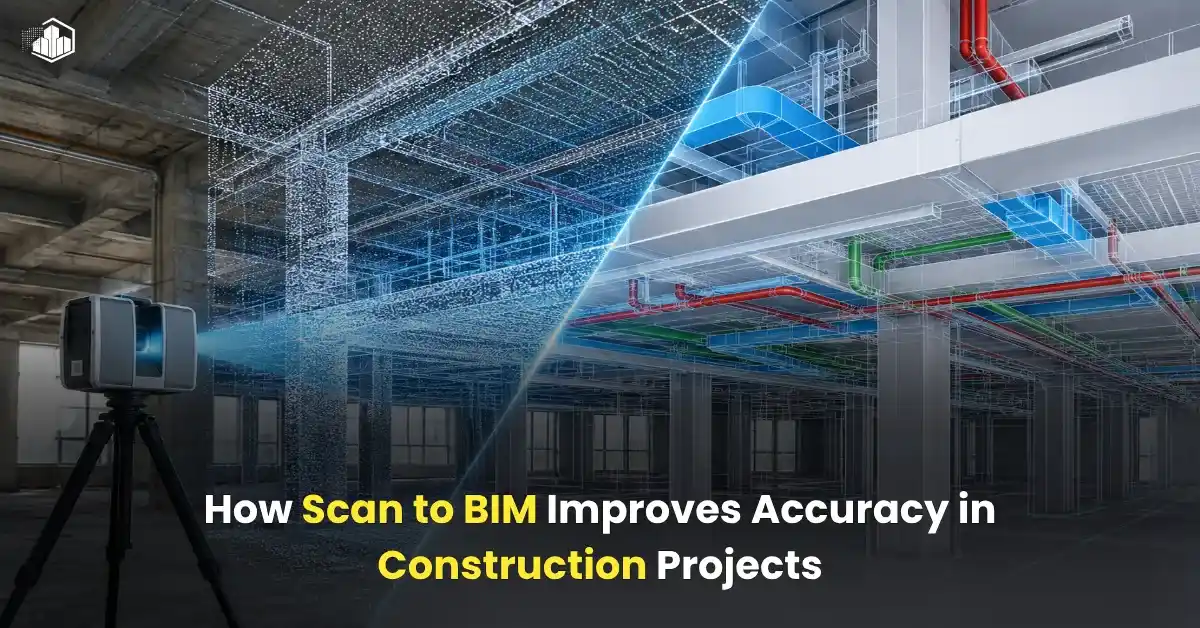
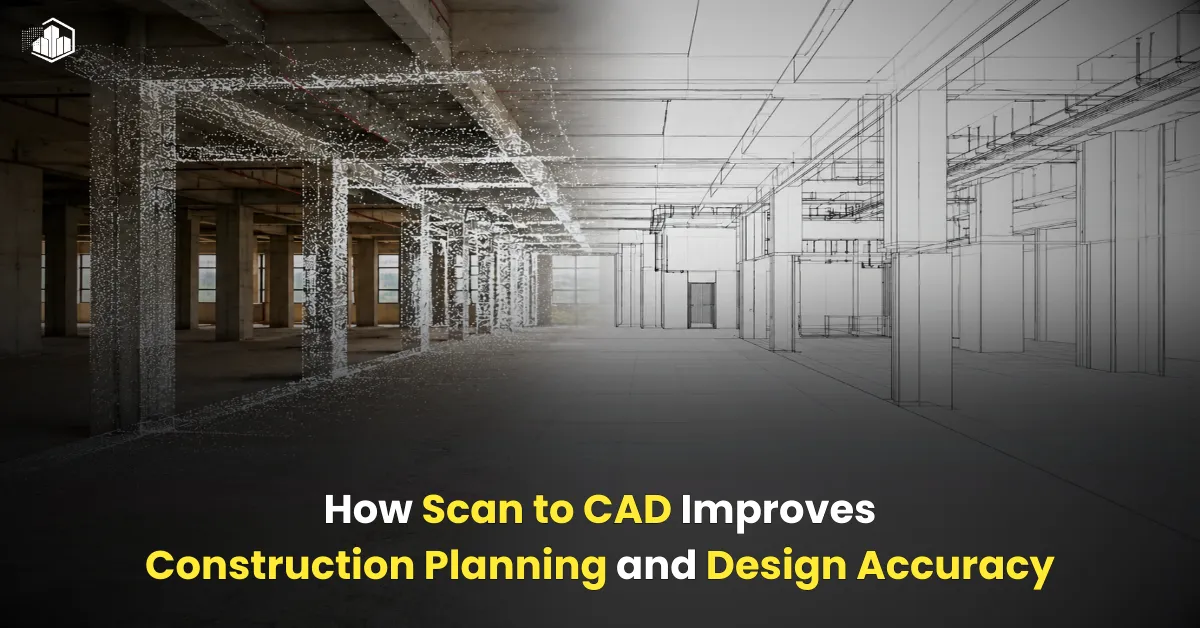
Scan to BIM is the process of using laser scanners to capture the exact dimensions of an existing building. The scanner creates a detailed point cloud that shows walls, floors, ceilings, pipes, ducts, equipment, and structural elements with high precision.
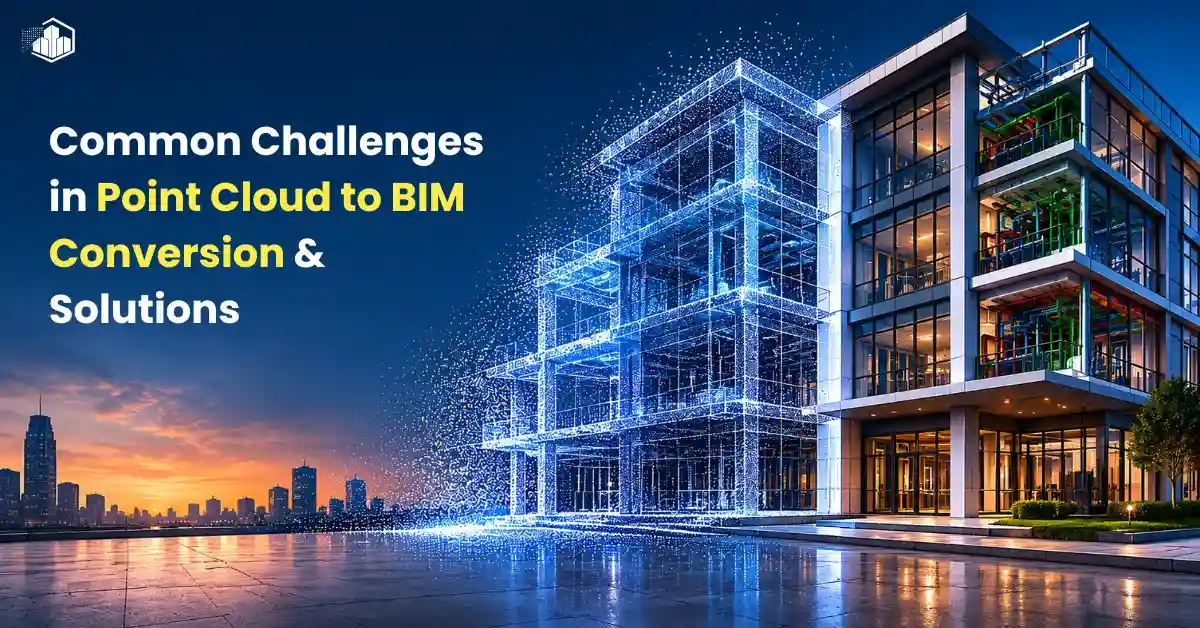
After that, experts convert the point cloud into a smart BIM model using software like AutoCAD, Revit, and Navisworks. This model is not just a drawing—it contains useful building data that supports planning and execution.
This BIM model helps project teams understand the building clearly before starting any renovation, upgrade, or maintenance work. It reduces confusion and helps avoid costly mistakes during the construction phase.
Why Accuracy is Critical in Healthcare Facilities
Healthcare buildings are different from normal residential or commercial buildings. They contain complex systems that must work together without failure because patient care depends on them every day.
These systems include:
- HVAC systems
- Medical gas pipelines
- Fire protection systems
- Electrical systems
- Plumbing networks
- Specialized medical equipment
- Emergency access routes
Even a small error can cause:
- Project delays
- Higher costs
- Safety risks
- Compliance issues
- Equipment installation problems
- Disruption to patient care
That is why accurate building data is not optional—it is necessary. Hospitals cannot stop operations easily, so every design and construction decision must be based on correct and updated information.
How Scan to BIM Helps Healthcare Facilities
1. Accurate Existing Condition Documentation
Many hospitals and healthcare buildings are old, and their original drawings are often missing, damaged, or outdated. In many cases, previous renovations were never updated in official documents.
Scan to BIM captures the real site conditions instead of depending on old documents. This gives engineers and designers confidence to work with correct information and understand the actual building condition.
It helps avoid guesswork, reduces design errors, and improves project planning from the very beginning. This saves both time and money during renovation work.
2. Better Renovation and Expansion Planning
Hospitals often need renovation without stopping daily operations. Patients, doctors, and emergency services must continue working, which makes project planning more difficult than normal buildings.
With Scan to BIM, teams can clearly see the existing structure and systems before starting work. They can plan upgrades, room changes, ICU expansion, and new departments with better accuracy and less risk.
This reduces construction risks, avoids unexpected site problems, and keeps hospital operations running smoothly during the renovation process.
3. Improved MEP Coordination
Healthcare facilities have very complex MEP systems. Space is often limited, and every service line must work perfectly because hospitals depend heavily on smooth mechanical and utility operations.
Scan to BIM helps engineers coordinate:
- Mechanical systems
- Electrical layouts
- Plumbing networks
- Fire protection systems
This helps avoid clashes between systems, improves installation quality, and reduces costly rework during construction. Better coordination also improves project speed and system performance.
Also read: Laser Scanning vs Traditional Surveying: Which is Better for BIM?
4. Safe Installation of Medical Equipment
Large medical machines like MRI scanners, CT scanners, X-ray systems, and surgical equipment need exact space planning. These machines are expensive and often require special structural and service support.
Even small measurement mistakes can create installation problems and major delays.
With accurate BIM models, teams can check dimensions, access routes, floor loading, and support requirements before installation starts. This saves time, avoids expensive changes, and ensures smooth equipment setup.
5. Faster Facility Management
Facility managers need updated building data for maintenance, inspections, and future repairs. In hospitals, fast maintenance is very important because delays can affect patient care and daily operations.
A BIM model provides easy access to building information like:
- Equipment locations
- Pipe routes
- Ceiling layouts
- Maintenance zones
- Utility systems
This makes repairs faster, improves maintenance planning, and helps reduce downtime in critical healthcare areas like ICUs and operating rooms.
6. Better Compliance and Safety
Healthcare buildings must follow strict safety rules, building codes, and medical regulations. Compliance is very important because hospitals must protect both patients and healthcare staff at all times.
Accurate BIM models help teams check fire safety systems, emergency exits, accessibility standards, and code compliance before starting construction or renovation.
This supports safer buildings, reduces approval delays, and helps avoid legal or operational problems in the future.
Common Healthcare Projects That Need Scan to BIM
Scan to BIM is useful for many healthcare projects where accuracy and planning are critical. It helps teams work faster and reduces mistakes in both small and large projects.
Common projects include:
- Hospital renovations
- ICU expansion projects
- Operating room upgrades
- Laboratory remodeling
- Medical equipment installation
- Facility maintenance planning
- Fire safety upgrades
- Mechanical and plumbing improvements
It works for both small clinics and large hospital campuses where accurate existing data is needed before design and construction begin.
Why Healthcare Owners Choose Scan to BIM Services
Healthcare facility owners choose professional Scan to BIM conversion services because they help improve both short-term project success and long-term building management. Accurate data supports better planning and smarter investment decisions.
These services help:
- Reduce rework
- Save project costs
- Improve planning accuracy
- Minimize project delays
- Support better decision-making
- Maintain uninterrupted operations
- Improve long-term facility management
The return on investment is often much higher than the cost of scanning because mistakes in healthcare projects are usually very expensive to fix later.
Final Thoughts
Healthcare projects need precision. Hospitals cannot afford mistakes because patient safety, staff efficiency, and daily operations depend on accurate planning and reliable building information.
That is why Scan to BIM for healthcare facilities is not just helpful—it is essential.
From renovation and MEP coordination to equipment installation and facility management, accurate BIM models improve every stage of the project and help reduce risks.
If you want safer planning, fewer errors, better compliance, and stronger project results, Scan to BIM is the smart solution for your healthcare facility.
Need Professional Scan to BIM Services?
We provide accurate and reliable Scan to BIM services for healthcare facilities across the USA. Our team helps hospitals, clinics, and medical centers with detailed BIM models for renovation, coordination, compliance, and facility management.
We focus on accuracy, fast delivery, and practical solutions that support real project needs. Contact us today to discuss your healthcare project and get expert support.
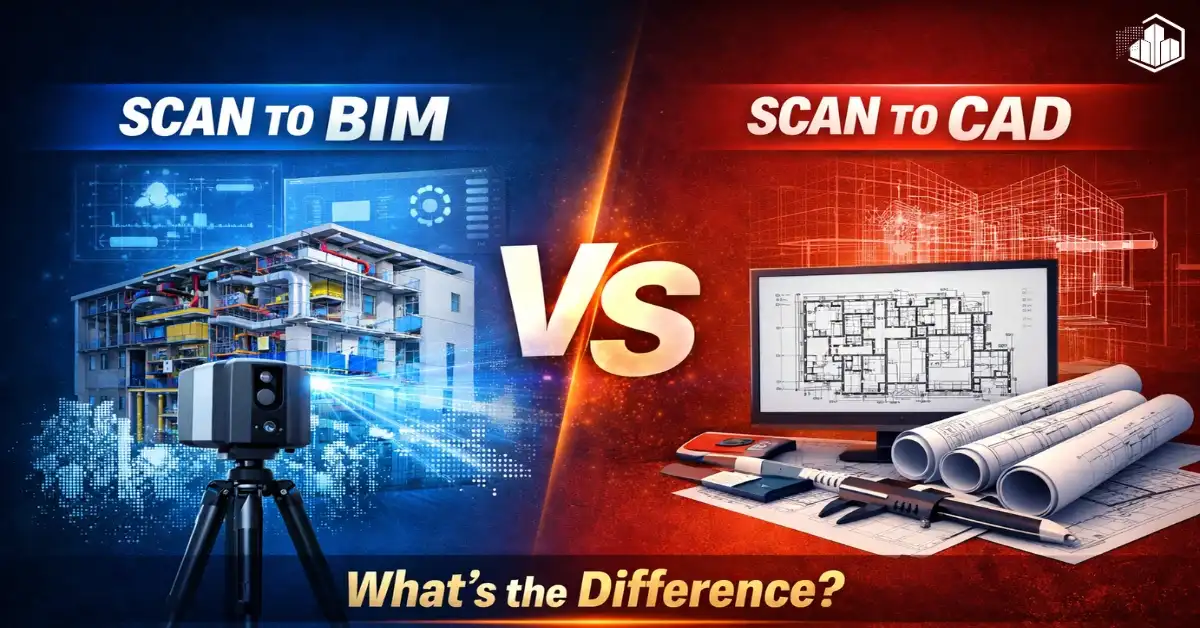
Also read: Scan to BIM vs Scan to CAD: What’s the Difference?
FAQs
What is Scan to BIM for healthcare facilities?
Scan to BIM for healthcare facilities is the process of using laser scanning technology to capture the exact measurements of hospitals, clinics, and medical buildings, then converting that data into a detailed BIM model for planning, renovation, and facility management.
Why is accuracy important in healthcare Scan to BIM projects?
Accuracy is very important because hospitals have complex systems like HVAC, plumbing, electrical, fire protection, and medical gas lines. Even small mistakes can cause safety risks, equipment issues, project delays, and higher costs.
Can Scan to BIM be used for old hospital buildings?
Yes, Scan to BIM is very useful for old hospitals where original drawings are missing, outdated, or incorrect. Laser scanning captures the actual existing conditions and helps create accurate BIM models for renovation and upgrades.
How does Scan to BIM help in hospital renovations?
It helps project teams understand the current building layout before renovation starts. This improves planning, reduces rework, avoids clashes, and allows hospitals to continue operations smoothly during construction work.
Does Scan to BIM help with medical equipment installation?
Yes, it helps ensure enough space, proper access routes, and structural support for large equipment like MRI machines, CT scanners, and surgical systems. This reduces installation problems and costly changes later.
Is Scan to BIM useful for facility management after construction?
Yes, BIM models help facility managers track equipment, maintenance zones, utility systems, and repair areas. This improves maintenance speed and reduces downtime in critical healthcare spaces.
What types of healthcare projects need Scan to BIM services?
Projects like hospital renovations, ICU expansions, laboratory remodeling, operating room upgrades, fire safety improvements, and MEP coordination all benefit from accurate Scan to BIM services.