Getting a building right depends entirely on having spot-on blueprints and detailed paperwork. But as modern architecture gets trickier and renovations become more common, old-school tape measurements just can’t deliver the precision today’s teams need. That is exactly where Scan to CAD services step in to bridge the gap.
By turning raw laser scans into exact CAD blueprints, these services give architects, engineers, and site managers the clear details they need to make smart calls and dodge expensive mistakes. From early sketches to the final brick, Scan to CAD has become a must-have for keeping projects on track and perfectly accurate.
Understanding Scan to CAD
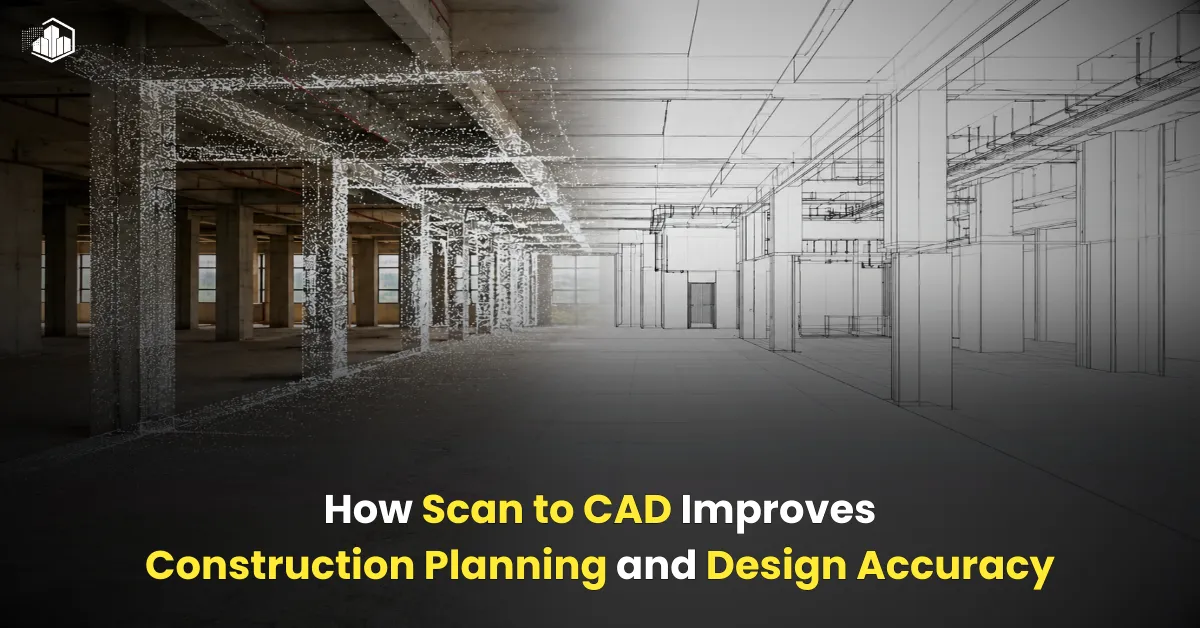
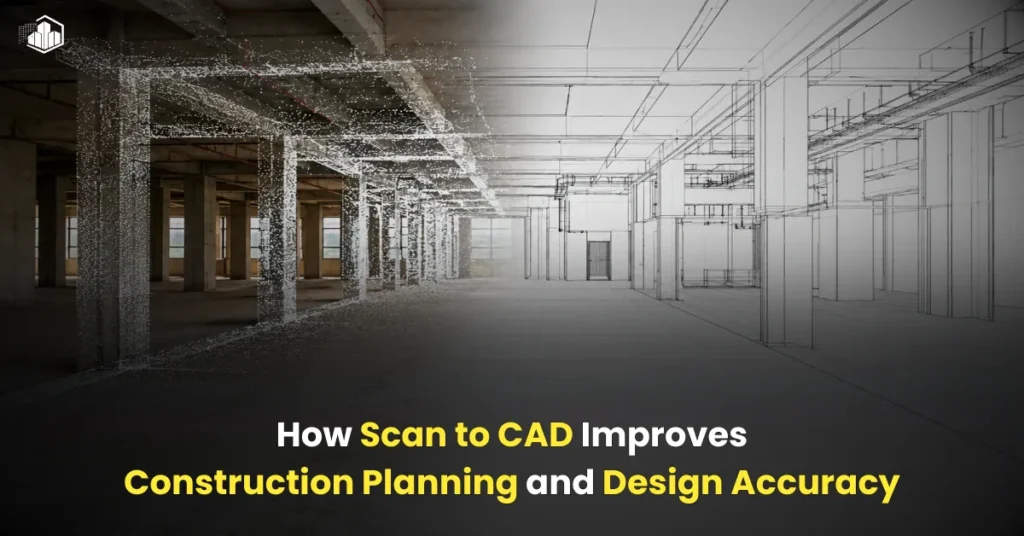
Simply put, Scan to CAD takes the massive cloud of data points from a 3D laser scan and translates it into clean 2D CAD files or technical plans. The scanners map out millions of points on a physical structure to build an exact digital twin. Teams then use these converted files to guide their design work, planning, and structural changes.
The final CAD files deliver incredibly precise floor plans, cross-sections, and layouts that mirror the real-life site exactly. This completely removes the guesswork of manual measuring and gives overall project accuracy a massive boost.
The Importance of Accurate Construction Planning
Good planning is the backbone of any successful build. If you start with bad measurements or old blueprints, you are looking at design clashes, scheduling delays, blown budgets, and endless do-overs. When teams rely on faulty data, even a tiny miscalculation can snowball into a massive headache on the job site.
Scan to CAD tech delivers incredibly reliable site records so everyone involved is working from the absolute truth. This means every planning decision is grounded in actual, real-world dimensions rather than guesswork or outdated paperwork.
How Scan to CAD Improves Design Accuracy
1. Captures Existing Conditions with Precision
One of the best things about Scan to CAD is how perfectly it captures existing buildings. Hand-measuring often misses vital details, especially when dealing with complex, irregular structures.
Laser scans catch absolutely everything in sight—walls, support beams, overhead pipes, utilities, and unique architectural quirks. This deep level of detail ensures the resulting CAD files show reality, helping designers map out solutions that fit the existing space like a glove.
2. Reduces Human Errors
Doing things by hand opens the door to human error, particularly on massive or intricate layouts. A single bad measurement can throw off multiple parts of a design, leading to expensive field fixes down the road.
Shifting to laser scanning cuts human error out of the initial data gathering phase. Because the CAD files come directly from precise point clouds, the risk of data gaps or clashing measurements drops to almost zero.
3. Supports Better Renovation and Retrofit Projects
Remodeling projects are notoriously tricky because the original building plans are usually missing pieces or totally outdated. Designers almost always run into major differences between the old papers and the actual site.
Scan to CAD gives teams a perfect snapshot of the building exactly as it stands today, giving architects and engineers total confidence in their remodel plans. Having these accurate files means fewer nasty surprises during construction and a much smoother build.
4. Improves Coordination Between Project Teams
Bringing a building to life takes a village—architects, structural engineers, trade contractors, and project managers all have to coordinate. Accurate CAD files give everyone a single, reliable source of truth to work from.
When the whole team shares the same precise plans, communication gets easier, design clashes drop, and coordination tightens up. The result is a seamless workflow with far fewer site delays.
Also read: Common Challenges in Point Cloud to BIM Conversion & Solutions
Benefits of Scan to CAD for Construction Planning
Faster Project Development
Having reliable site files means design teams can dive straight into planning without wasting days double-checking on-site dimensions. This cuts down on early-stage bottlenecks and speeds up the entire project schedule.
Enhanced Decision-Making
Solid CAD blueprints let project leaders test out different options, check feasibility, and catch structural challenges early in the game. Better data always leads to smarter business choices.
Reduced Rework and Construction Costs
Having to tear down and rebuild work is one of the biggest money pits in construction. Mistakes born from bad blueprints force crews to make field corrections, destroying budgets through extra labor and material costs.
Scan to CAD eliminates these headaches by delivering flawless documentation on day one, saving teams from expensive field fixes and scheduling setbacks.
Improved Quality Control
Clean, high-quality CAD blueprints make quality control a breeze throughout the build. Contractors can easily double-check spacing, manage installations, and make sure everything matches the architect’s intent.
Read more: Benefits of Scan to CAD Conversion for Renovation and Retrofit Projects
Applications of Scan to CAD Services
Scan to CAD is widely used across various sectors of the construction industry, including:
- Commercial buildings
- Residential developments
- Industrial facilities
- Healthcare projects
- Educational institutions
- Historic preservation projects
- Infrastructure developments
- Facility management and maintenance
Every single one of these fields relies on precise records to streamline planning, sharpen designs, and run day-to-day operations smoothly.
Why Modern Construction Firms Are Adopting Scan to CAD
The push toward fully digital construction workflows isn’t slowing down. Property owners and project managers expect exact digital files that can carry them through design, building, and long-term facility management.
Scan to CAD helps teams hit these targets by providing tight blueprints that foster teamwork, de-risk projects, and back up decisions with solid facts. As tech improves, this process is cementing itself as a core pillar of modern building practices.
Conclusion
At the end of the day, flawless information is the lifeblood of great design and planning. Scan to CAD tech offers a bulletproof way to log current site realities and transform them into precise digital plans that guide every step of construction. By cutting down on human error, aligning teams, and keeping reworks to a minimum, Scan to CAD makes the whole process faster and sharper.
No matter if you are tackling a historic remodel, a facility upgrade, or a brand-new build, having spot-on digital records makes a world of difference. Bringing in professional Scan to CAD solutions gives teams the peace of mind that their projects will finish on time, on budget, and exactly as planned.
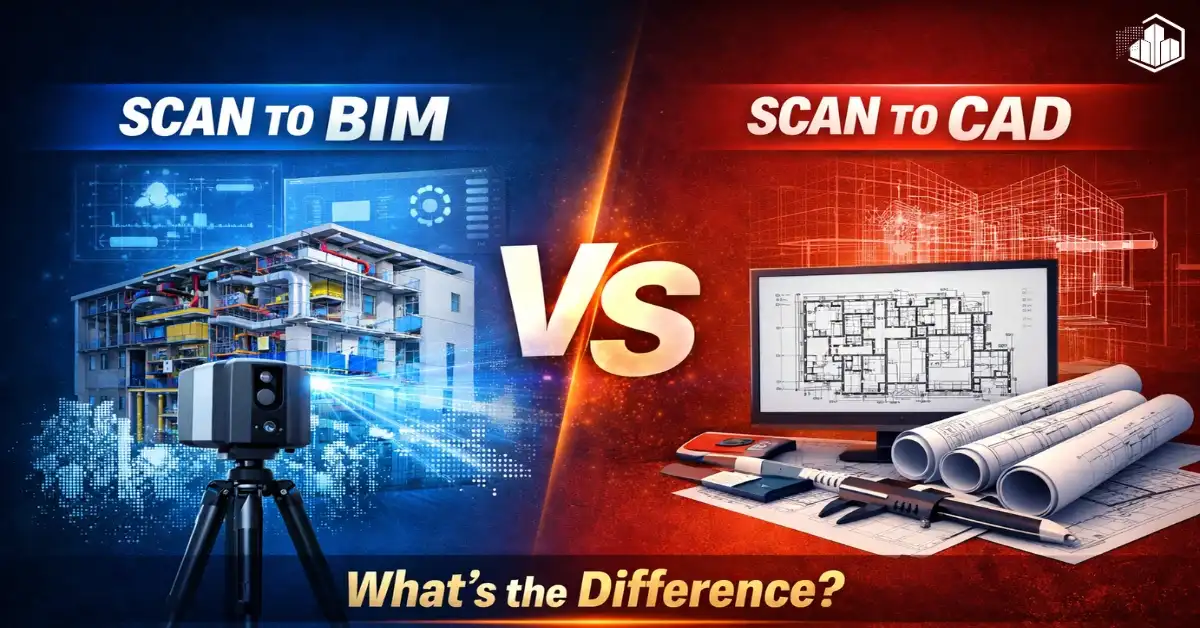
Also read: Scan to BIM vs Scan to CAD: What’s the Difference?